
“When I get stuck, I slow down,” says illustrator Barbora Srp Žižková
From the streets of Tokyo to the Tea Garden. Illustrator Barbora Srp Žižková talks about travel, doubts, and how long it takes to find your own visual voice.
- Behind the Board
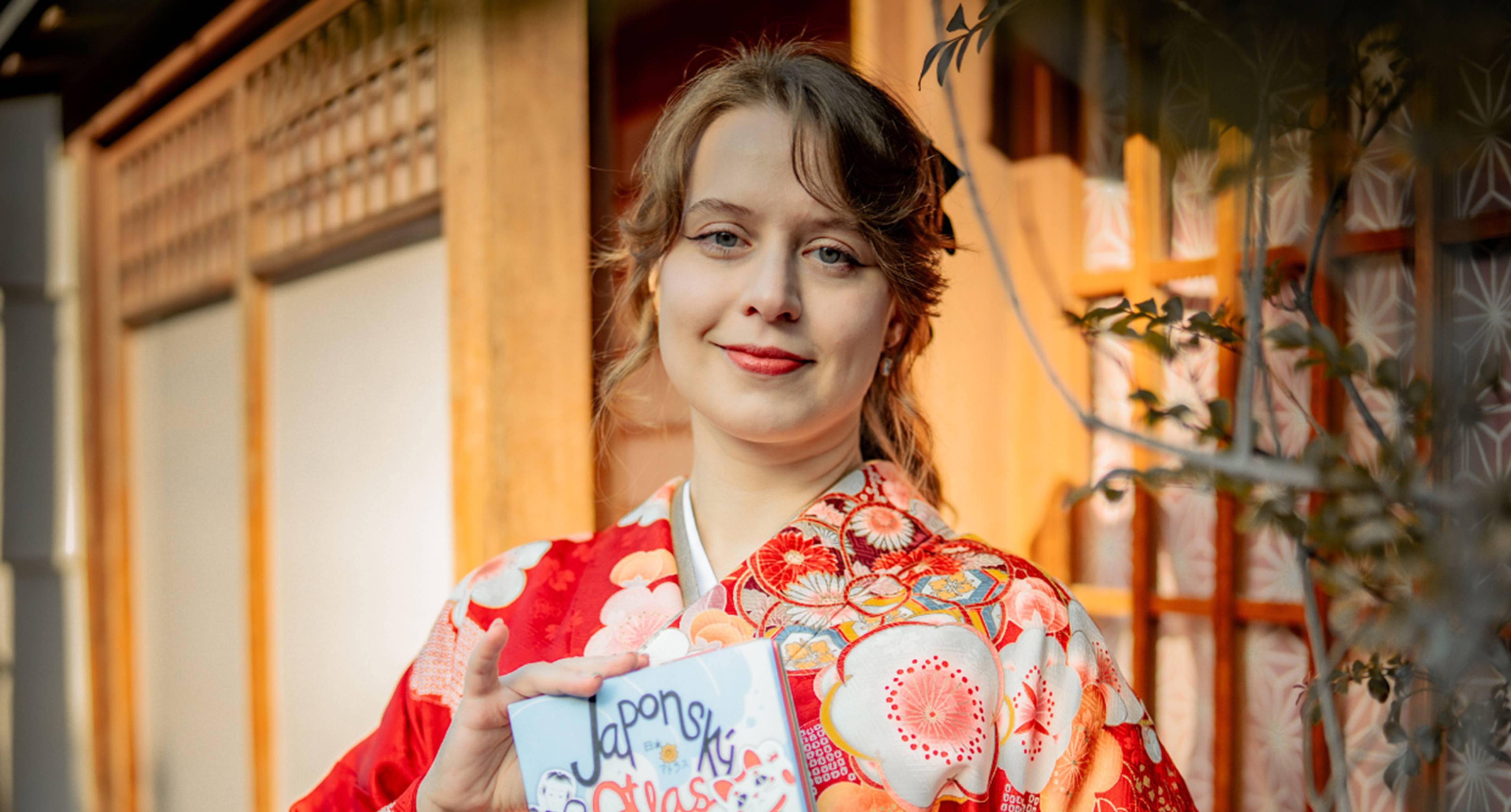
“No one in my family ever drew or traveled, so I’m a bit of a pioneer,” says illustrator Barbora Srp Žižková. She comes across as calm and unobtrusive, but her answers are precise and thoughtful—even as my five-year-old son repeatedly interrupts our interview with urgent questions like whether he can take off his shoes.
A lover of Japan, a traveler, and the author of Japanese Atlas, she speaks about finding her own style, sources of inspiration, and why sometimes it’s better to subtract than to add.
You recently traveled through Japan, Thailand, and Singapore. What draws you to Asia?
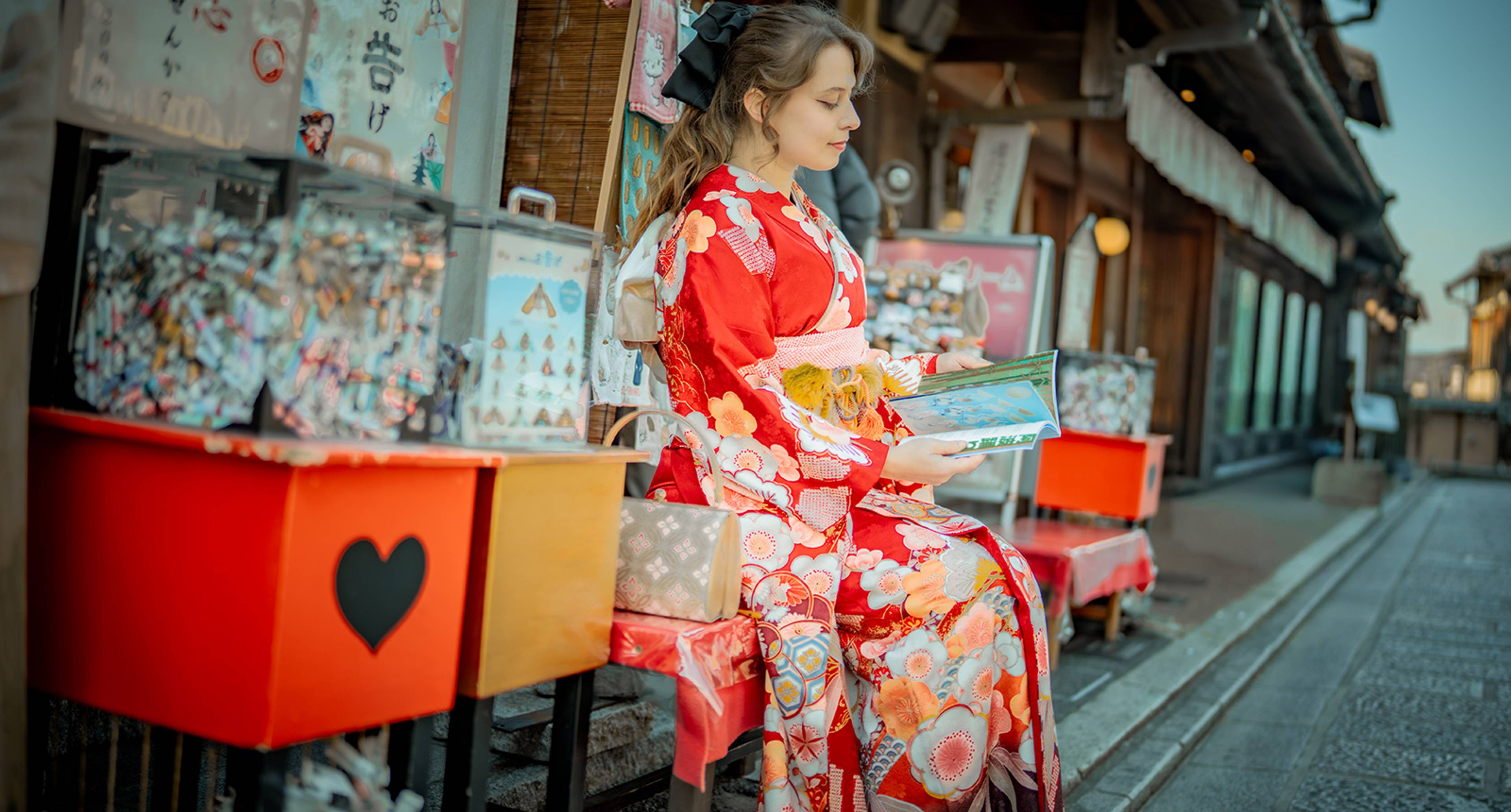
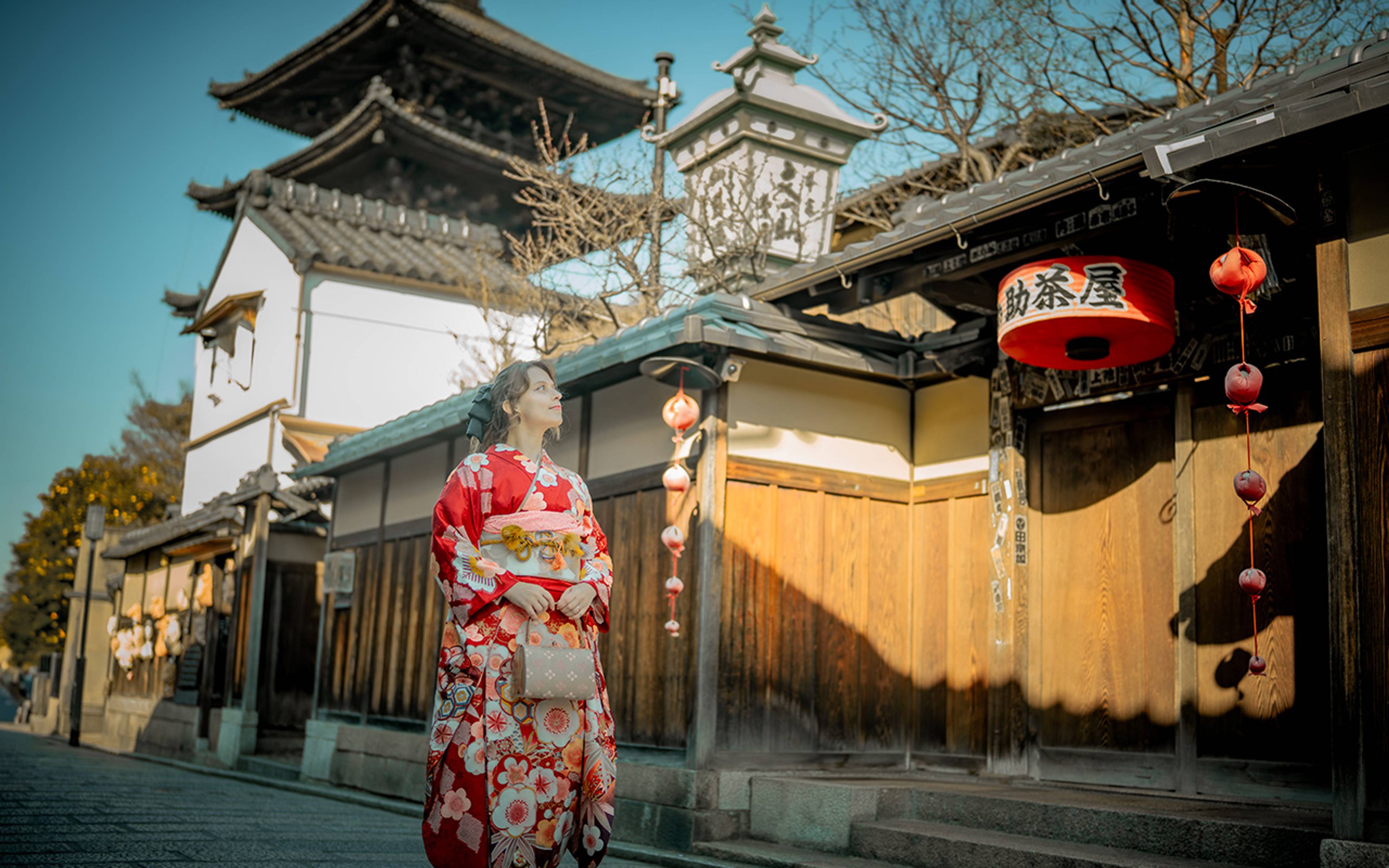
Winter is long where we live, and I don’t feel as down when I swap grey Czechia for a different environment, even for a while. I’ve also been interested in Japan since childhood—first because of pop culture, now more because of traditional culture. I visit often; this year was my fifth trip. I even lived there for a year.
I really don’t like flying, so I wanted to combine such a long journey with several destinations at once.
I know you enjoy creating travel itineraries.
I mostly make them for friends, usually for Japan. But sometimes enthusiasts reach out—people who’ve heard about my travels somewhere and want to try it themselves. This year, for the first time, I also prepared an itinerary for Thailand—for my in-laws. I even used to work as a guide, but I have to admit my style probably isn’t for everyone. I’m more interested in cultural anthropology than in food or cafés. And I sometimes mix up historical dates, so I prefer to avoid them.
Is that why you started writing and illustrating books?
Yes. I wanted to create something for people who see the world in a similar way to me. Two years ago, I began working on Japanese Atlas while in Japan. This year I gathered more material there and self-published the book.
I’d like to follow it up with a guide—focused more on basic insights and interesting facts than on a traditional list of sights. And I definitely don’t want to stay only with Japan.
How would you describe your illustration style?
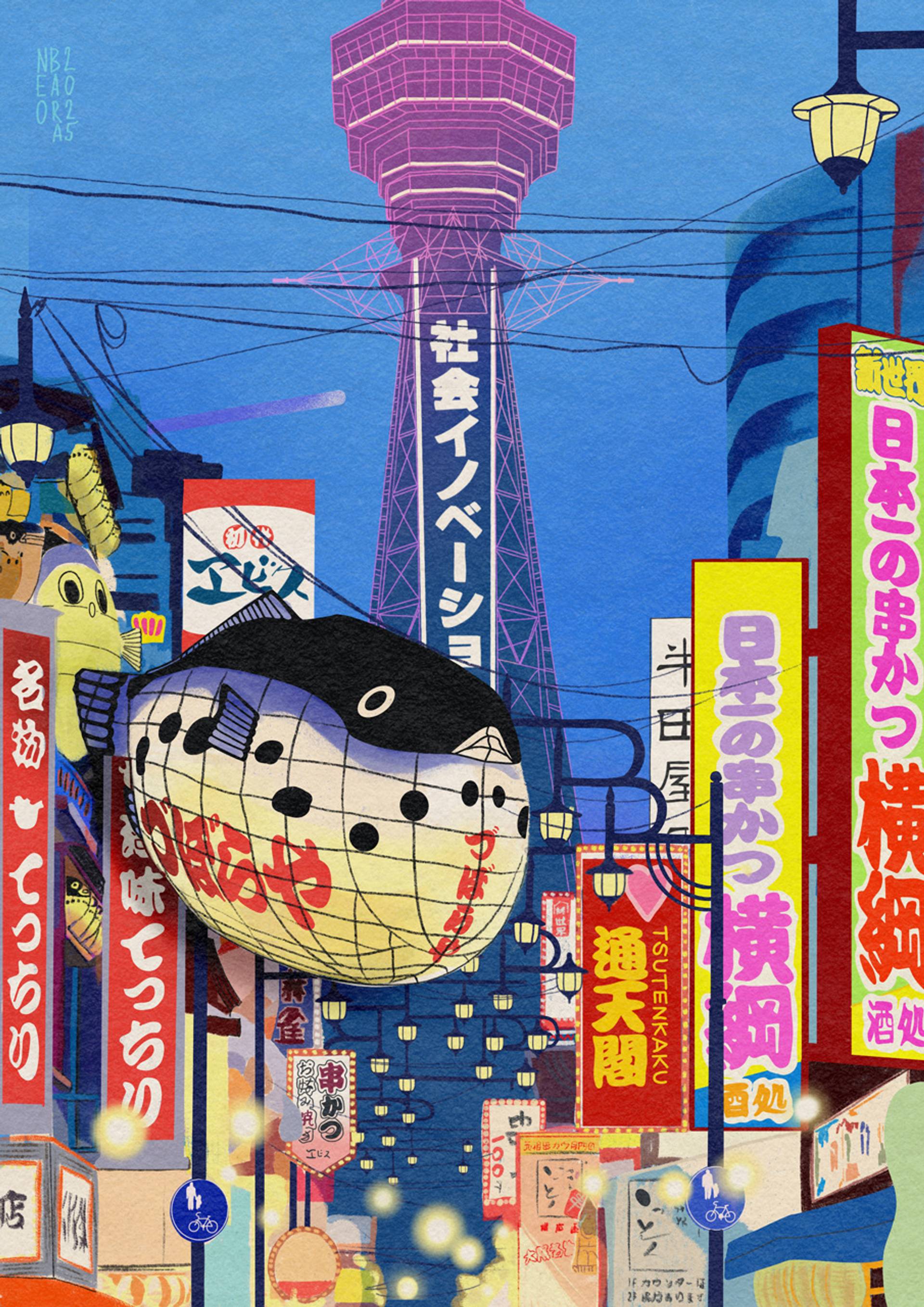
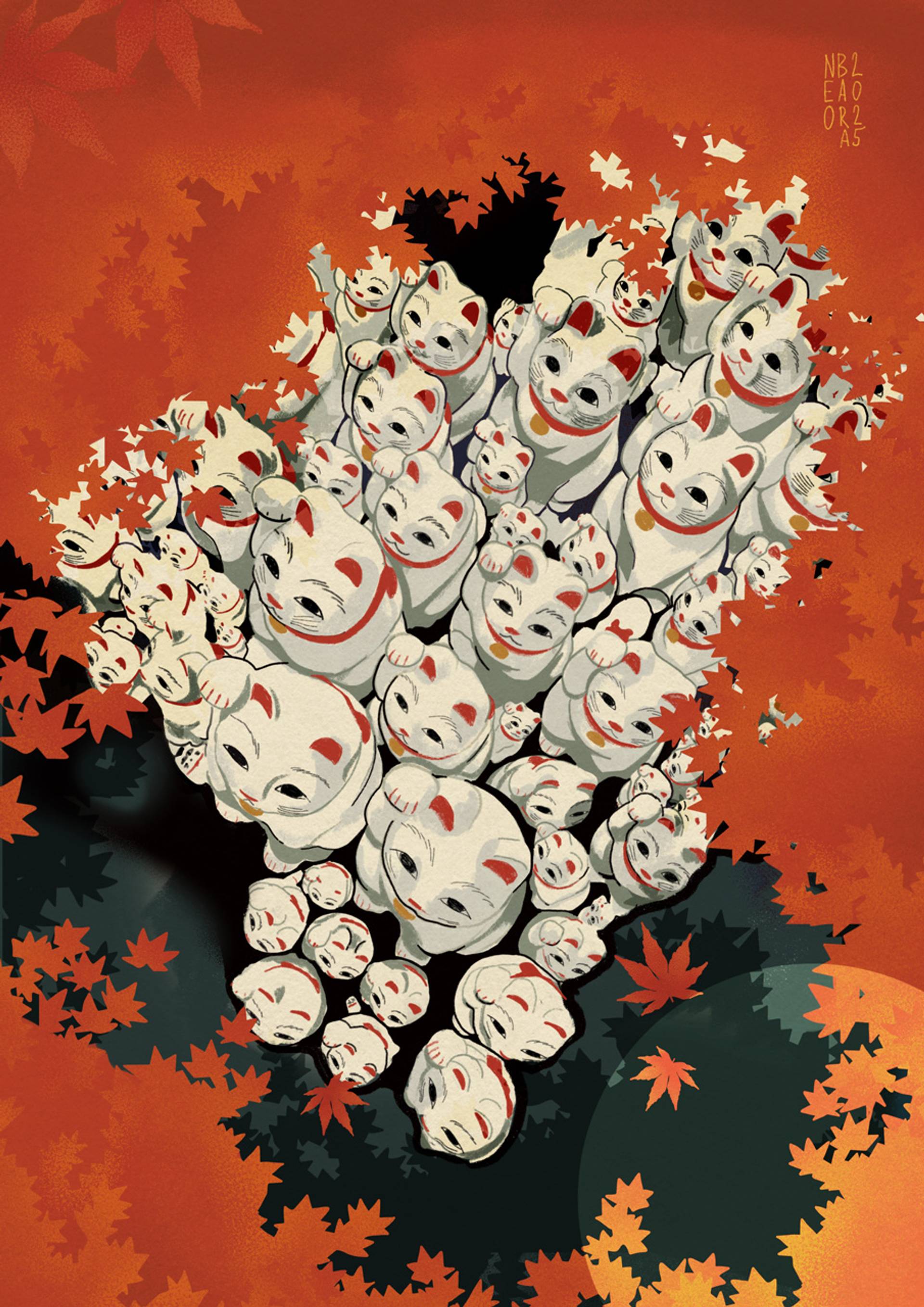
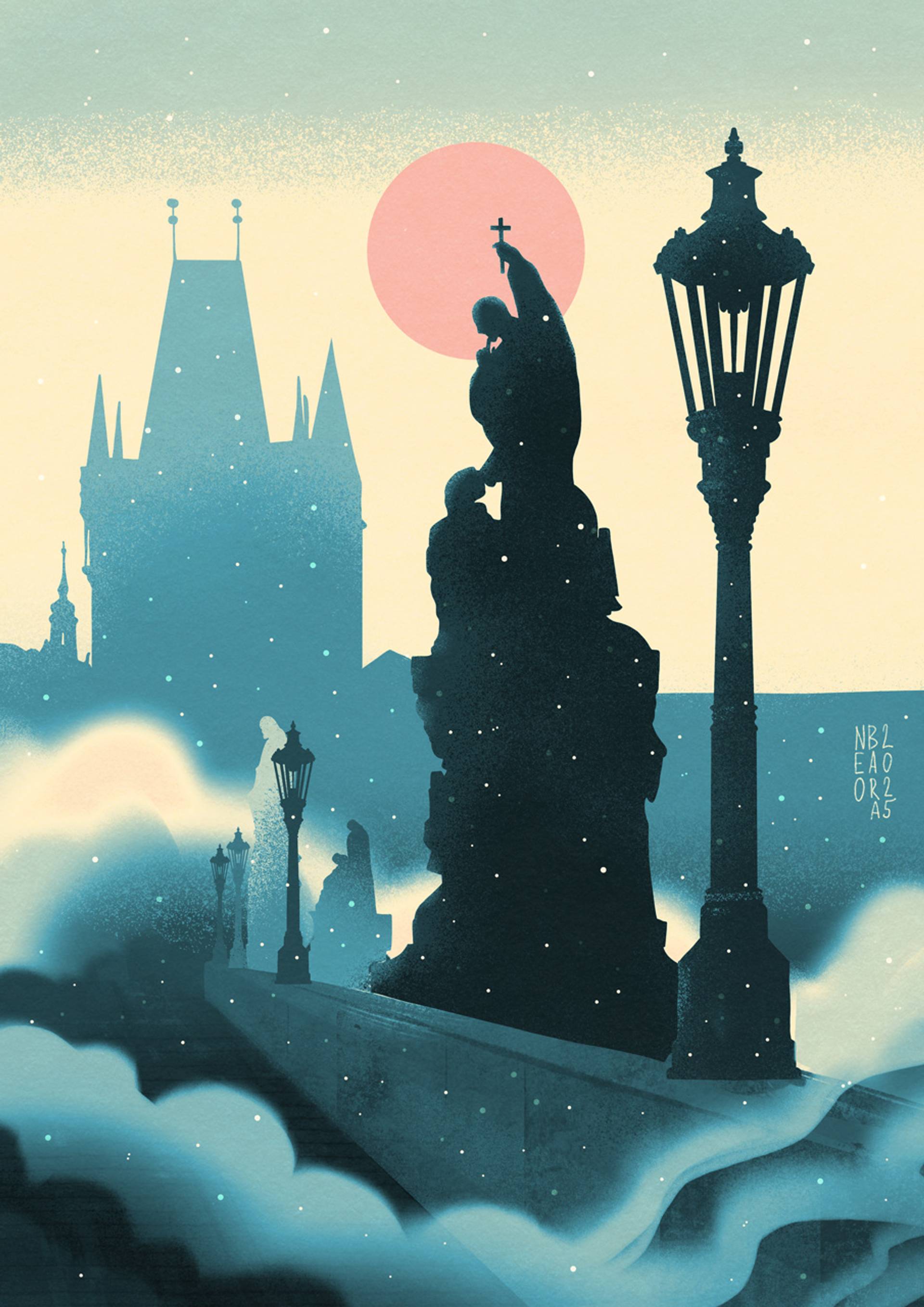
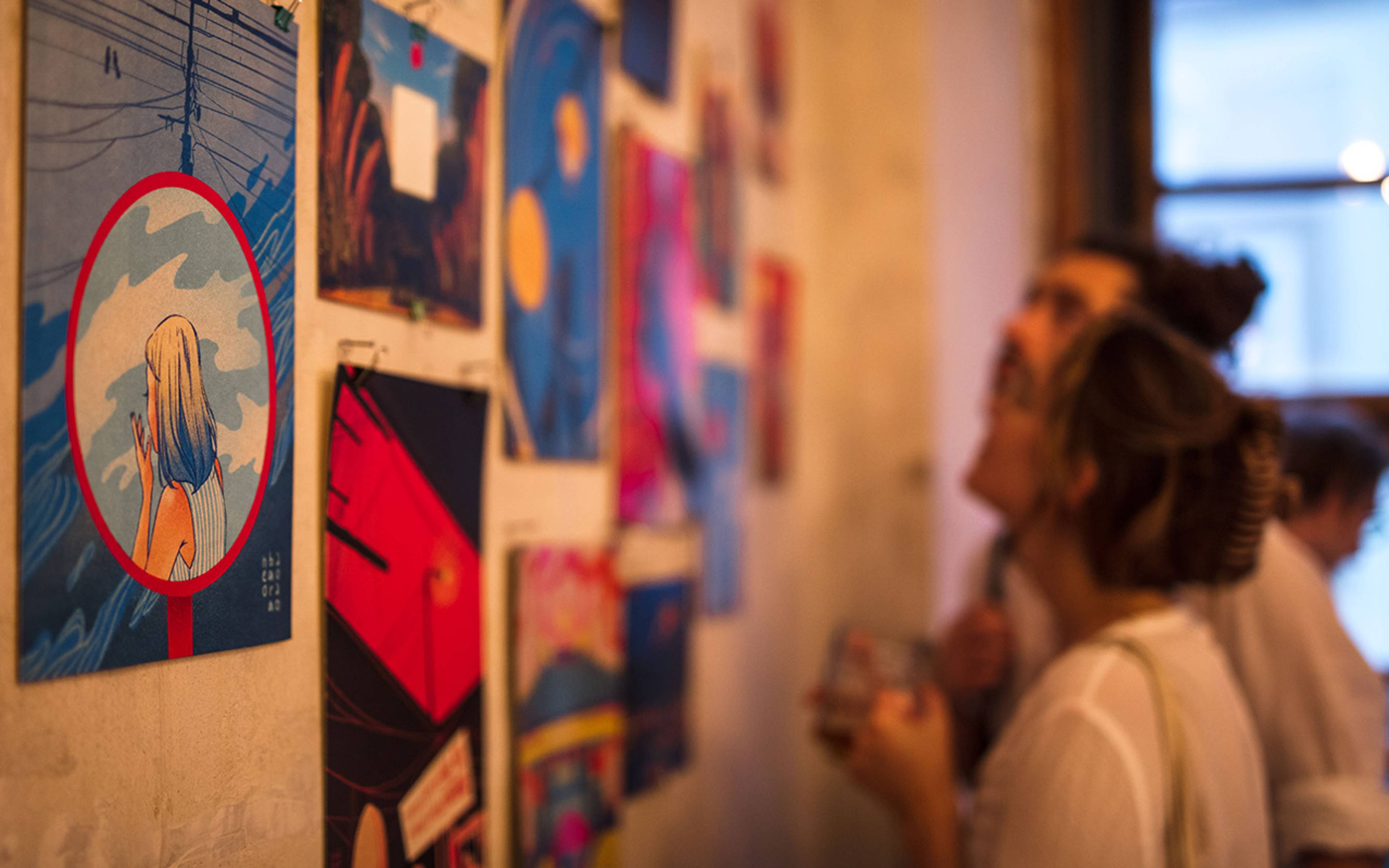
I studied interactive graphics, so I work a lot with color areas. In a way, I see illustration a bit like a poster.
No one in my family was involved in art, so I had to find my own path. For a long time, I didn’t even know how to get into illustration or where to start. And I’m not very outgoing, so it was difficult for me to promote my work and talk about it.
Over time, I learned multiple visual styles so I could adapt to different clients. And now I’m actually learning the opposite—how to be more myself in my illustrations.
You often draw landscapes. Do they originate on-site, or do you bring the atmosphere home?
I perceive every foreign place holistically—its smells, colors, light. All of that then carries over into what the place radiates.
I used to bring an analog camera and capture compositions that caught my eye. Now I enjoy combining different environments more. I try to absorb the atmosphere and collect impressions, but the actual creation happens later, calmly at home.
You say it shows in your portfolio when you enjoy your work. What do you do when you get stuck?
That happens to me a lot. (laughs) I usually put the work aside for a while and do something else. Sometimes I start removing things—erasing layers, simplifying, adding more minimalism so I don’t get tangled in it.
You created the visual identity for the board game Tea Garden. How did you get involved?
Michal Šmíd from Albi approached me, and the theme immediately resonated with me. The first idea was a view of the garden through a window, with a teapot on the sill. In the end, only the garden remained—a visually cleaner solution.
The collaboration lasted about a year. Interestingly, I first learned about the project while I was in Japan, and the final cover was created there as well.
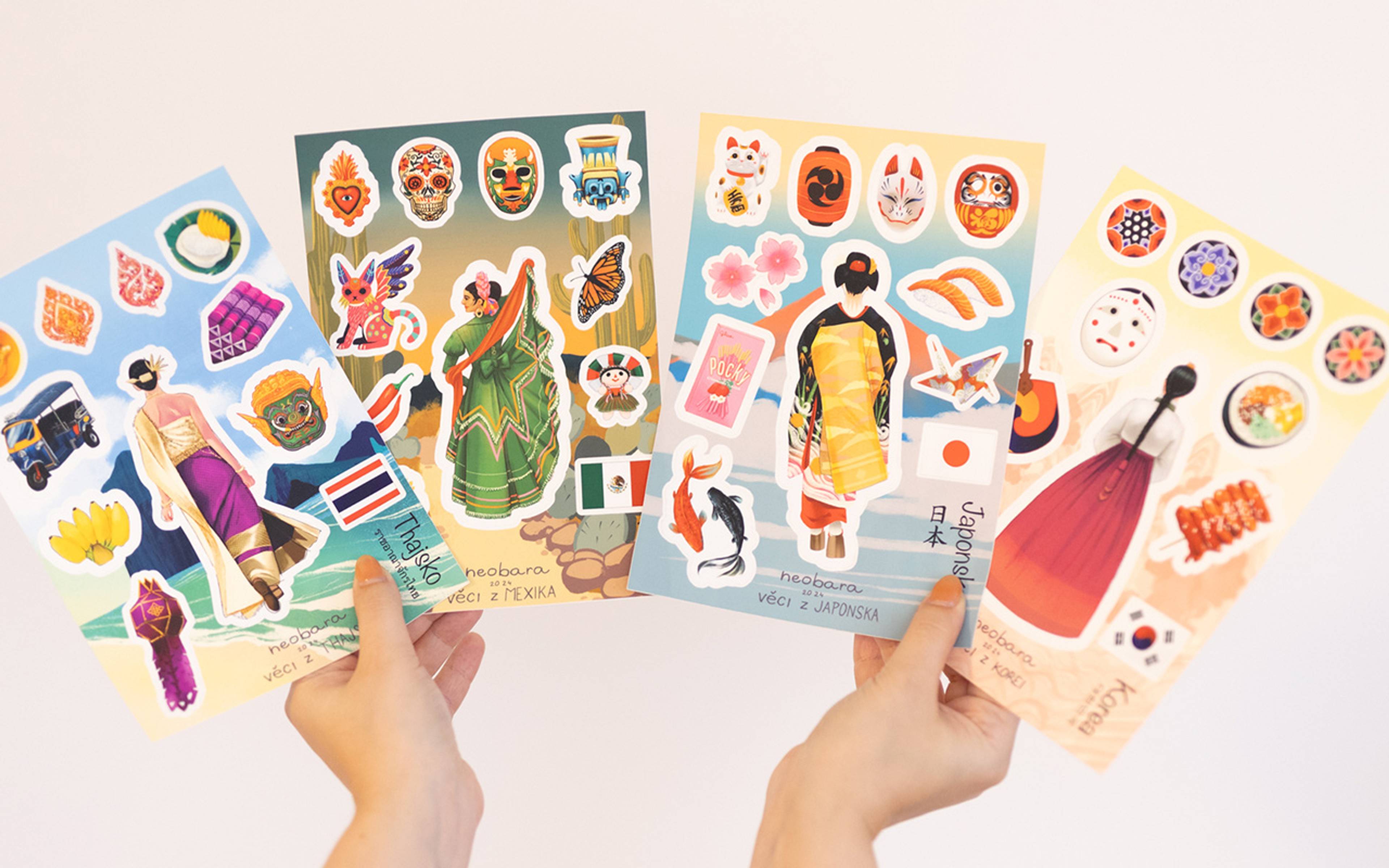
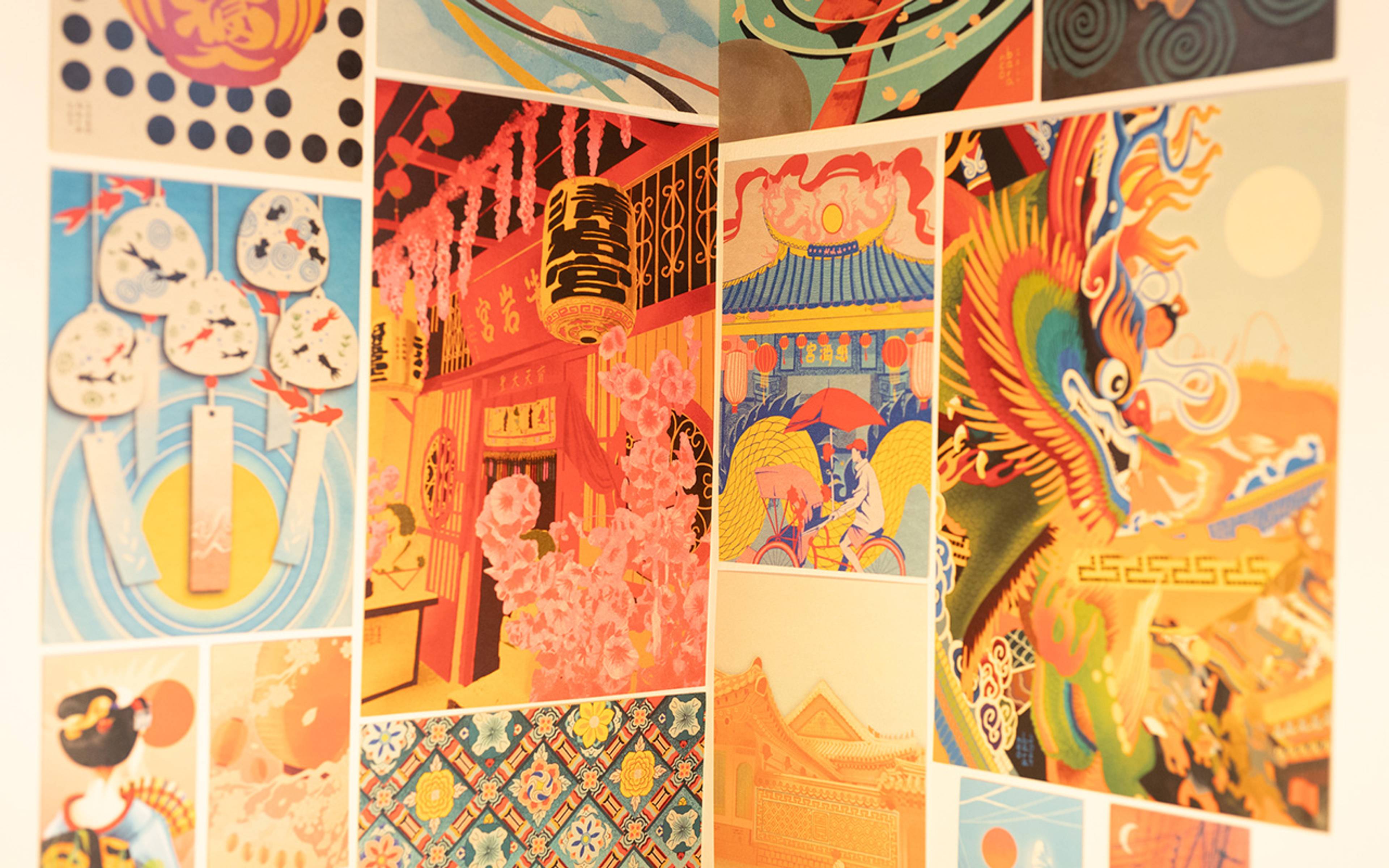
What are you working on now?
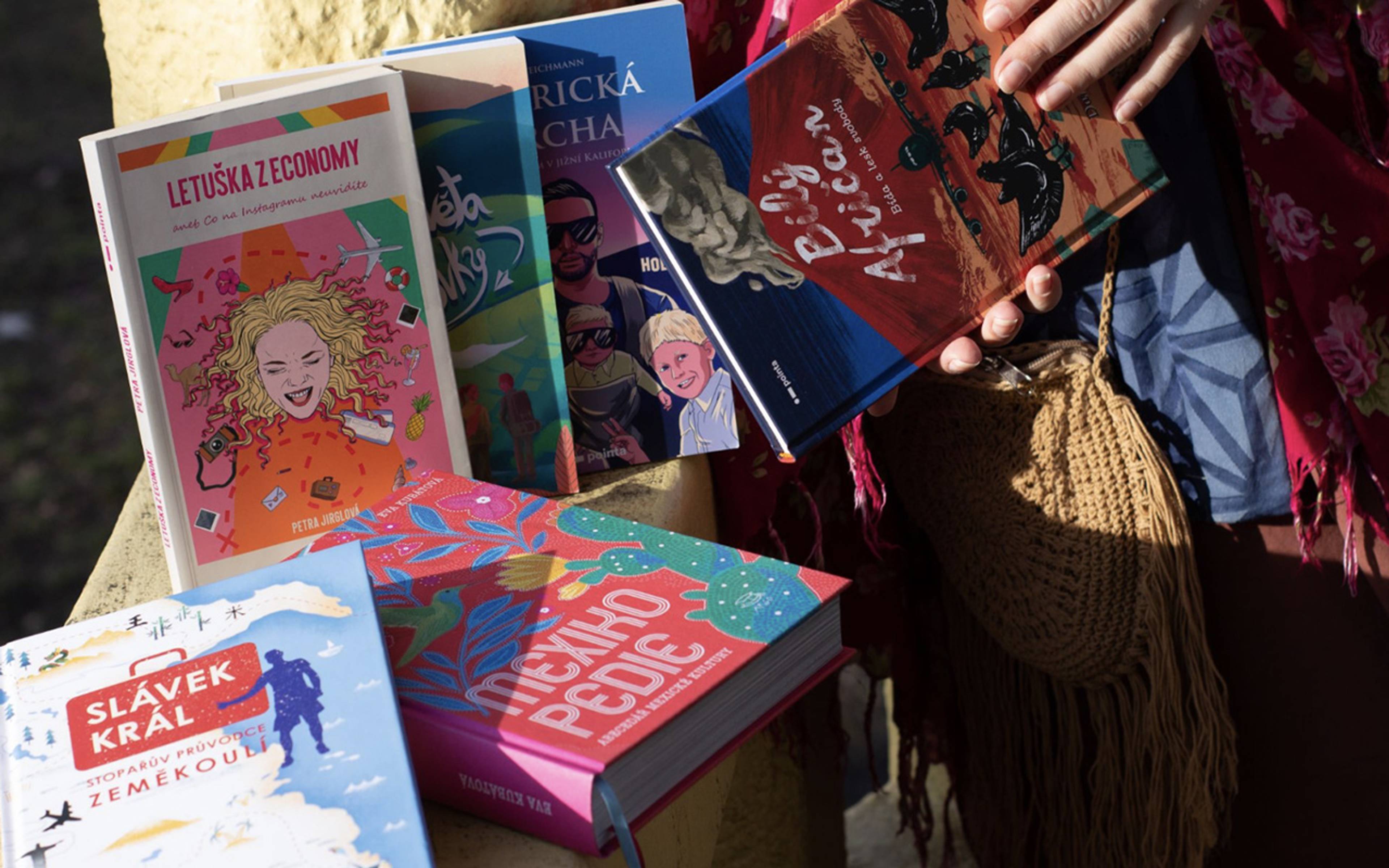
I’m working on a cover for one of the travel books published by Nina Špitálníková. At the same time, I’m finishing illustrations for a board game by the American publisher Capstone Games, which focuses on modern strategy games for more demanding players. The game has a movie theme and is already heading into production, so I’m really looking forward to it.
In fact, Tea Garden helped me land this project. They saw the game, liked it, and reached out to me with a collaboration offer.
What is the illustration world like? Do you need sharp elbows?
At the beginning, definitely. And not just that. I also encountered a few fraudulent jobs—clients who didn’t want to pay or wanted to pay less than agreed.
It happens that you create something, spend a lot of time on it, and they feel like “some guy next door” could have done it better anyway.
And what about artificial intelligence—are you worried about it?
I am, but I don’t feel like it has significantly impacted my work so far. It has more or less filtered clients. Those who want authentic work still turn to illustrators. And those who are satisfied with something made by “the guy next door” will go for AI.
Text: Viola Černodrinská / Petr Čáslava Photos: kyoto photographer.Amare

Barbora Srp Žižková
Barbora Žižková, performing as neobara, is a Czech illustrator specialized in travelogues and Asian-inspired aesthetics, featured in books like Mexikopedie. Her signature style also defines the visual identity of the popular board game Tea Garden by Albi.
Instagram